How English Test Simulators Help You Land Remote Jobs in 2026
English test simulators can give you an edge in landing remote jobs for 2026 by letting you practice real exam scenarios and showcase your scores to employers. Quick, accessible testing helps highlight your language skills, often before an interview or even a formal certification. Recruiters now use these results as early evidence of your communication … Read more
How Long Does a CEFR Certificate Remain Valid for Remote Job Applications?

CEFR certificates don’t technically expire; they represent your English level at the time of testing. For remote job applications, employers typically accept certificates from the last two years as proof of current ability—any older, and you’re usually asked for a more recent test. Remote jobs rely on strong communication, so up-to-date English validation helps you … Read more

How to List English Proficiency on Your CV for Jobs in 2026

Put your English proficiency directly on your CV, using standard levels like CEFR or recognized test scores. Mention any official certificates and be specific: include scores or level names. Place this information where employers will see it quickly—often near skills or the summary section. For professionals chasing roles in 2026, the global job market demands … Read more

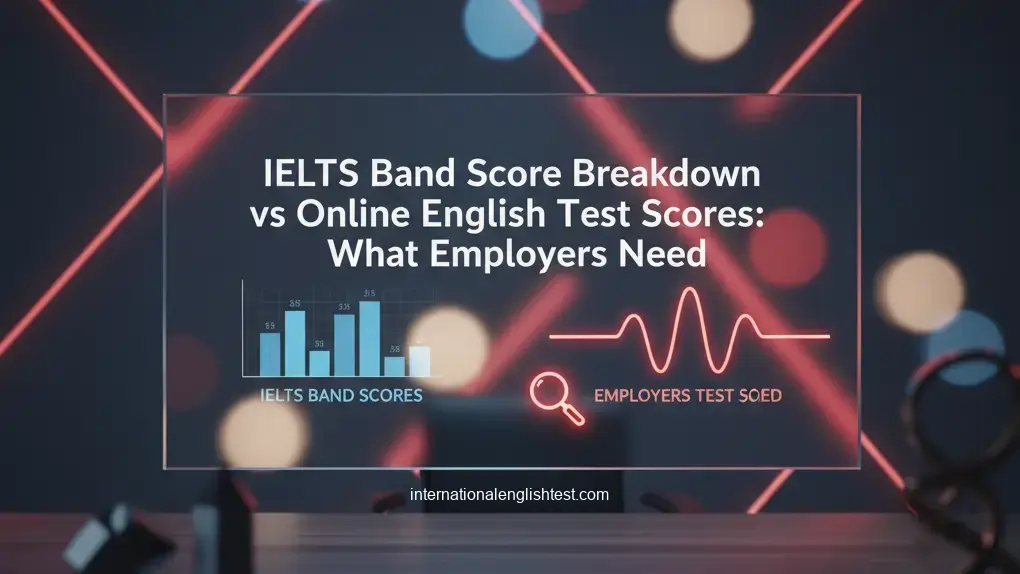
IELTS Band Score Breakdown vs Online English Test Scores: What Employers Need

Employers often treat IELTS bands and online test scores as interchangeable standards, but each test signals a distinct level of English ability. For many jobs in 2026, the key is understanding which scores actually meet hiring and migration requirements in your industry or country. A 6.5 on IELTS isn’t always the same as a 105 … Read more

CEFR Certificates: Recognition for Studying at German Universities

German universities widely recognize CEFR certificates for academic admissions. Institutions typically require a minimum B2 or C1 level, but exact requirements depend on the degree and field. Always check official university lists, because not all certificates are treated equally. For anyone planning to study in Germany, understanding the role of a CEFR certificate is essential. … Read more

Best English Certificates for Remote Job Applications in 2026: Essential Guide

For remote jobs in 2026, recognized English certificates matter more than ever. The exams you choose can decide whether your CV gets shortlisted or ignored. Landing remote work isn’t just about language skills. It’s about proving them in a way HR teams accept. Some find out too late: you can speak, but a hiring platform … Read more

CEFR Certificate Validity: What International Employers Require in 2026

Most international employers in 2026 only accept CEFR language certificates that are current—typically issued within the past two years. Policies change fast, so holding an outdated certificate can shut doors, even if your English skills haven’t faded. Employers are becoming more precise: some major companies now require proof of language proficiency that’s as recent as … Read more

How English Certificates Boost Job Opportunities and Salary Growth

English certificates can quickly open career doors and unlock higher salaries. Employers often use these official test results as a filter for candidate selection and as concrete proof of skills for promotion. Holding a recognized certificate—like IELTS, Cambridge, or CEFR B2—gives you something no CV statement can: hard, trusted evidence you truly belong at the … Read more

Which CEFR Certificates Do Remote Employers Recognize in 2026?

By 2026, most remote employers recognize CEFR certificates from major exam bodies like Cambridge, Trinity College London, and International English Test (IET). For competitive global roles, a B2 or higher level is generally required, with digital verification and cross-checking now standard. Remote job competitiveness hinges on your certified English level. Candidates with a verified CEFR … Read more

How to List Your CEFR English Level on a CV for Better Job Prospects

To list your CEFR English level on a CV, clearly state your level (e.g., B2 or C1) in your skills or language section. Employers use these standards to understand how well you’ll communicate and handle tasks in English-speaking environments. Even a small shift in English proficiency can open up paths to higher-paying roles, promotions, or … Read more